

Courtesy photo: Upcoming federal SNAP changes in New Mexico, including new work requirements, utility deduction updates, and eligibility changes.
Here’s what New Mexicans should know
A new federal law is changing how SNAP food benefits work, and for many New Mexicans, this is the first time work requirements apply to people who receive assistance. What was once a program with limited work rules has shifted in a way that now affects tens of thousands of residents across the state who rely on SNAP to help put food on the table.
These changes took effect on January 1 and introduced new expectations for some SNAP customers. Under the new federal rules, certain people must now show they are working, volunteering, or participating in job training for 80 hours a month in order to keep receiving benefits. While the changes may feel sudden or confusing, it is important to know that they did not come from the State of New Mexico. They were passed by Congress, and New Mexico agencies (including the New Mexico Health Care Authority) are responsible for carrying them out and helping residents understand what they mean.
One important thing to know is that the new work requirements do NOT apply to everyone all at once. They only apply when someone renews their SNAP case or applies for benefits for the first time after January 1, 2026. That means many people still have time to learn what is expected, ask questions, and get support before the rules affect their benefits. The HCA has stressed the importance of keeping your contact information with the agency up to date, staying informed, opening mail from the agency, and responding quickly to requests so benefits are not interrupted because of missed paperwork or confusion.

Why are these changes happening? In July 2025, the United States Congress passed a law (HR1) that expanded work requirements for SNAP. Under previous rules, many adults were exempt from having to meet work requirements. Those exemptions included people over age 50, veterans, people experiencing homelessness, and individuals who aged out of foster care. Under the new law, several of those exemptions were removed.
The law also raised the age range for who must meet work requirements. In the past, work rules mainly applied to adults under age 50 who did not have dependents. Now, those requirements apply to adults up to age 64. As a result, many people between the ages of 55 and 64 are encountering SNAP work rules for the first time. HCA estimates that about 32,608 New Mexicans will need to meet these new work requirements to continue receiving SNAP benefits.
While these changes are mandated at the federal level, HCA leadership has made it clear that their focus is on helping New Mexicans understand the rules and maintain access to benefits whenever possible. The agency’s goal is to make sure people are informed, supported, and not penalized simply because they did not understand what was required.
Not everyone who receives SNAP is required to meet the new work rules. Federal law clearly defines who must comply and who is exempt.
You may need to meet the work requirement if all of the following are true:
- You are between 18 and 64 years old;
- You are physically and mentally able to work;
- You do not care for a child under age 14 or a disabled or incapacitated person.
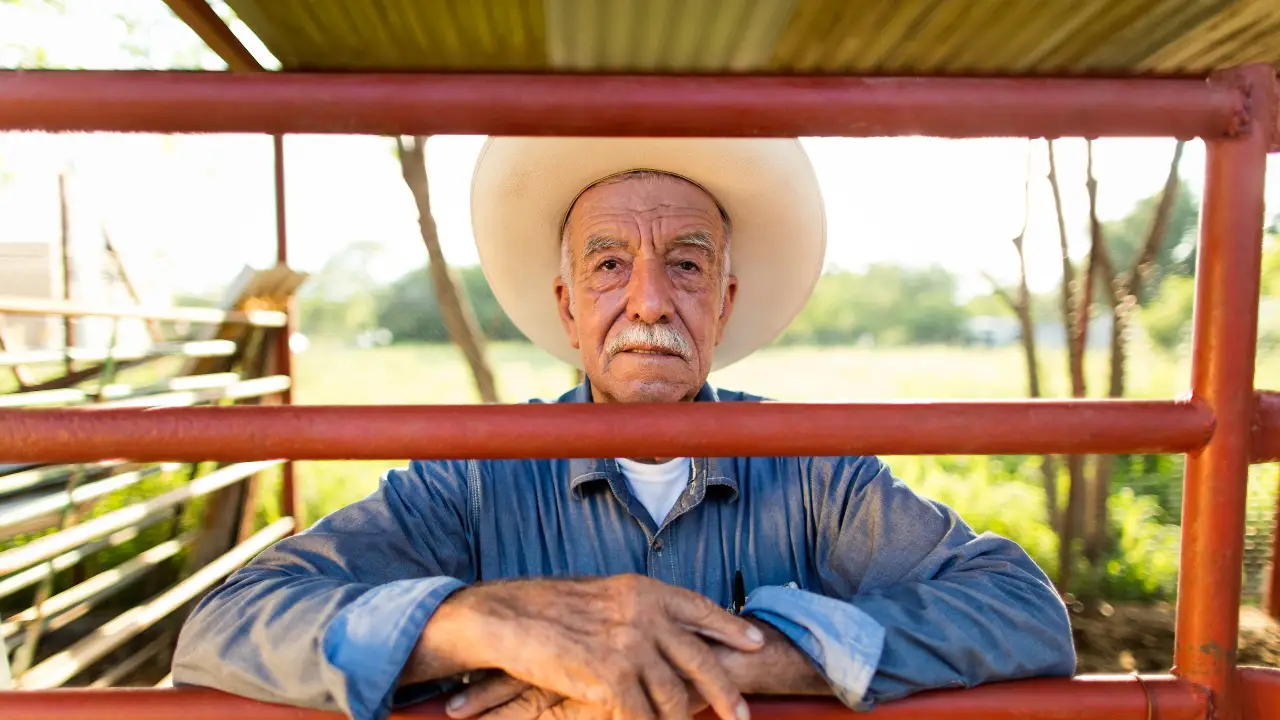
Courtesy Photo: Upcoming federal SNAP changes in New Mexico, including new work requirements, utility deduction updates, and eligibility changes.
If your situation meets all three of these conditions, you will need to show that you are engaged in approved activities for 80-hours per month. Those activities can include working, attending job training, volunteering, or a combination of these. For most people, this works out to about 20 hours per week.
For many individuals, this represents a significant change. Some people who have never had to document work or training hours for SNAP before may now need to do so when they renew their benefits.
At the same time, many New Mexicans remain exempt from the work requirement and will not see any change to their SNAP benefits.
You are exempt if any of the following apply:
- You are 18 or younger, or 65 or older;
- You have a disability or receive SSI;
- You are pregnant;
- You care for a child under age 14 or someone who is disabled or incapacitated;
- You are participating in a treatment program;
- You are enrolled in job training at least half time;
- You receive unemployment benefits;
- You are Native American under federal law;
- You live in certain areas of New Mexico with special exemptions.
These exemptions/exceptions are important safeguards. If you fall into one or more of these categories, the new work rules should not affect your SNAP benefits, and you should not be required to report monthly hours.
Meeting the 80-hour requirement does not mean you need a full-time job. The rules allow flexibility, and many different activities can count toward your total hours.
Examples of qualifying activities include:
- Paid employment;
- Part-time work or self-employment;
- Job training programs;
- Volunteering with an approved organization;
- Education that qualifies as job training.
Many people combine activities to meet the requirement. For example, someone might work part time and volunteer a few hours each week to reach the monthly total.
If you are unsure whether an activity counts, HCA staff can help clarify what qualifies. Keeping clear records is also important. Pay stubs, volunteer logs, attendance records, or school documentation can help ensure your hours are counted correctly when your SNAP case is reviewed.
If you think the work requirement may apply to you, starting early can make the process easier. Tracking hours, saving documentation, and understanding your options ahead of your renewal date can help reduce stress later.
HCA’s website includes frequently asked questions and outreach materials that explain the changes in plain language and in Spanish. Taking time now to review that information can help you feel more prepared when it is time to renew your benefits.
Changes to food assistance programs can be stressful, especially when they affect something as basic as access to groceries. The most important thing to remember is that you are not on your own. Support is available, and HCA’s role is to help you understand the rules and keep your benefits whenever possible. Staying informed, responding to notices, and asking for help early can make a real difference.
With the right information and support, many people will be able to meet the new federal requirements and continue receiving the food assistance they rely on. The HCA is here for New Mexico.
How to Get Help and Stay Informed
These changes can feel overwhelming, especially for people who are older, living on fixed incomes, or navigating work requirements for the first time. If you are unsure how the new rules apply to you, help is available.The HCA can assist with questions, reporting requirements, and exemptions also known as exceptions.
You can get help by:
- Visiting YES.NM.GOV to check your case and update contact information;
- Calling 1-800-283-4465 to speak with HCA staff;
- Visiting a local HCA Income Support office for in-person assistance.
HCA also encourages SNAP customers to make sure their mailing address and phone number are up to date. Opening and responding to mail from HCA is one of the most important steps you can take to avoid delays or interruptions in benefits.