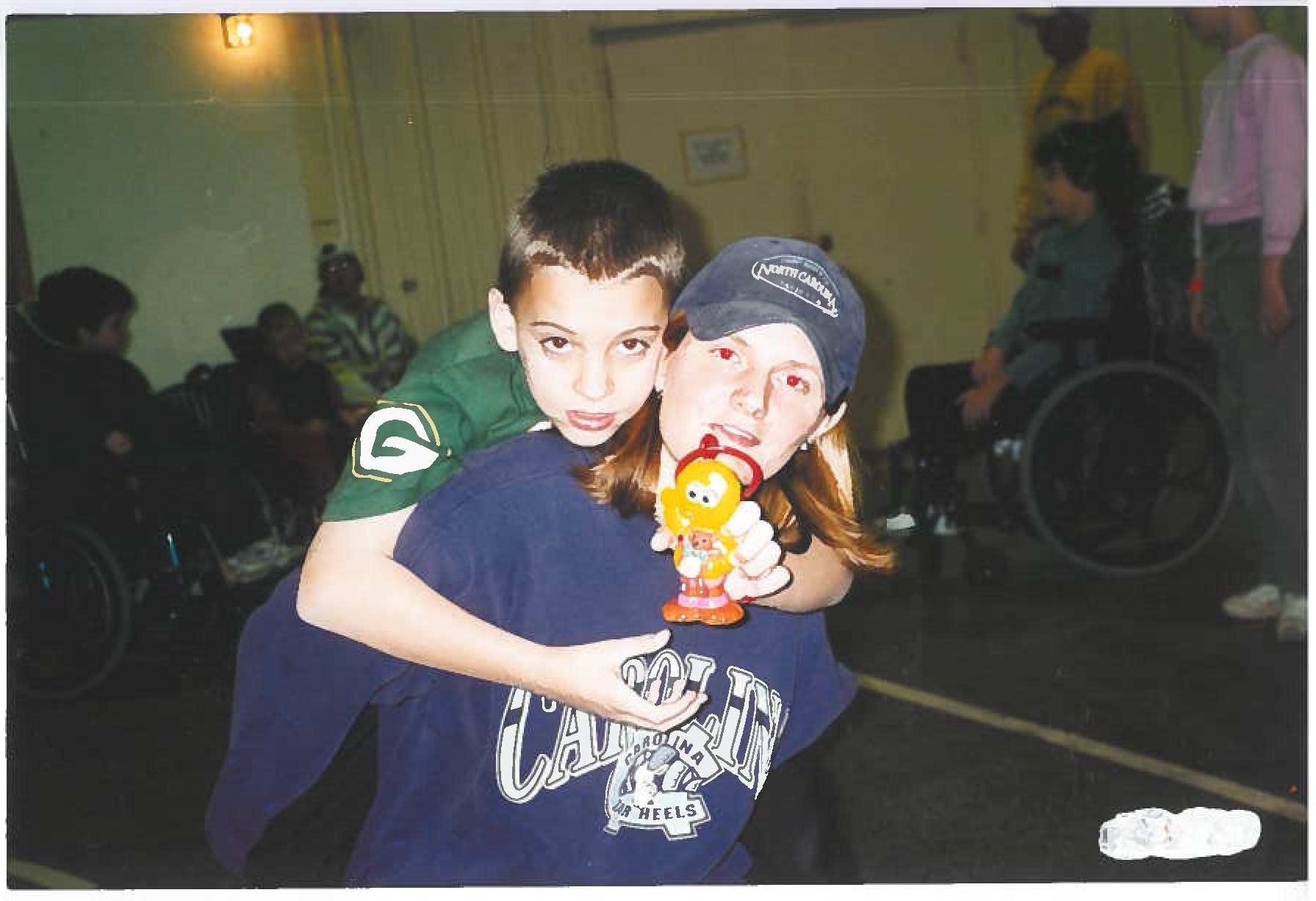
Courtesy photos: Working at camp was incredibly rewarding.
A journey to autism coaching
By AJ Richard
“I think you have autism.”
I laughed. How could I have autism? I provided care for individuals with autism. I was 32 years old. My partner proceeded to list reasons she thought I was autistic. Narrow areas of intense interest. When agitated or bored, I trace an infinity symbol over and over. Sensory overload. Narrow range of foods. Anxiety in social situations. A tendency to be direct and not always recognize how my directness impacts others. Uncomfortable making eye contact with strangers. Taking things literally. Anxiety with changes in routine. She also pointed out that I seemed to really understand the individuals on the spectrum I served at work.
Autism could explain the many different jobs I had over the years. After six months, I would get burned out. Trying to figure out the unwritten rules was exhausting. I felt like I was acting. The jobs I had stuck with the longest involved working with people who had disabilities.
An online quiz indicated I was autistic. Next, I went through an official diagnostic evaluation. When I received the autism diagnosis, the first words out of my mouth were, “This explains my whole life.” I cried tears of relief. For the first time in my life there was an explanation for all the struggles and isolation.

The inner revelry was short lived. I asked the psychiatrist, “What now?” He stammered that when it came to treatment, he actually specialized in children. At the time, I lived in a midwestern city that had an acclaimed system of hospitals and clinics. I was overwhelmed by the number of providers on staff, so I called one randomly. She informed me that she also specialized in children. I asked for a referral to a provider who worked with autistic adults. She said, “I don’t know of any.”
Undeterred, I read voraciously to learn more. I could relate to the autobiographies of autistic adults. I realized I had experienced selective mutism. In kindergarten, I only spoke out loud once. I received excellent grades in everything but social skills. In fact, the teacher encouraged my mom to hold me back a year due to my lack of social skills. Because I was so silent, the school staff thought I had a hearing impairment. I was subjected to a battery of tests. Of course, my hearing was fine. I learned to sit back and observe, then imitate which is masking. Now we know masking takes a toll that is expressed in depression, anxiety, and self-harm.
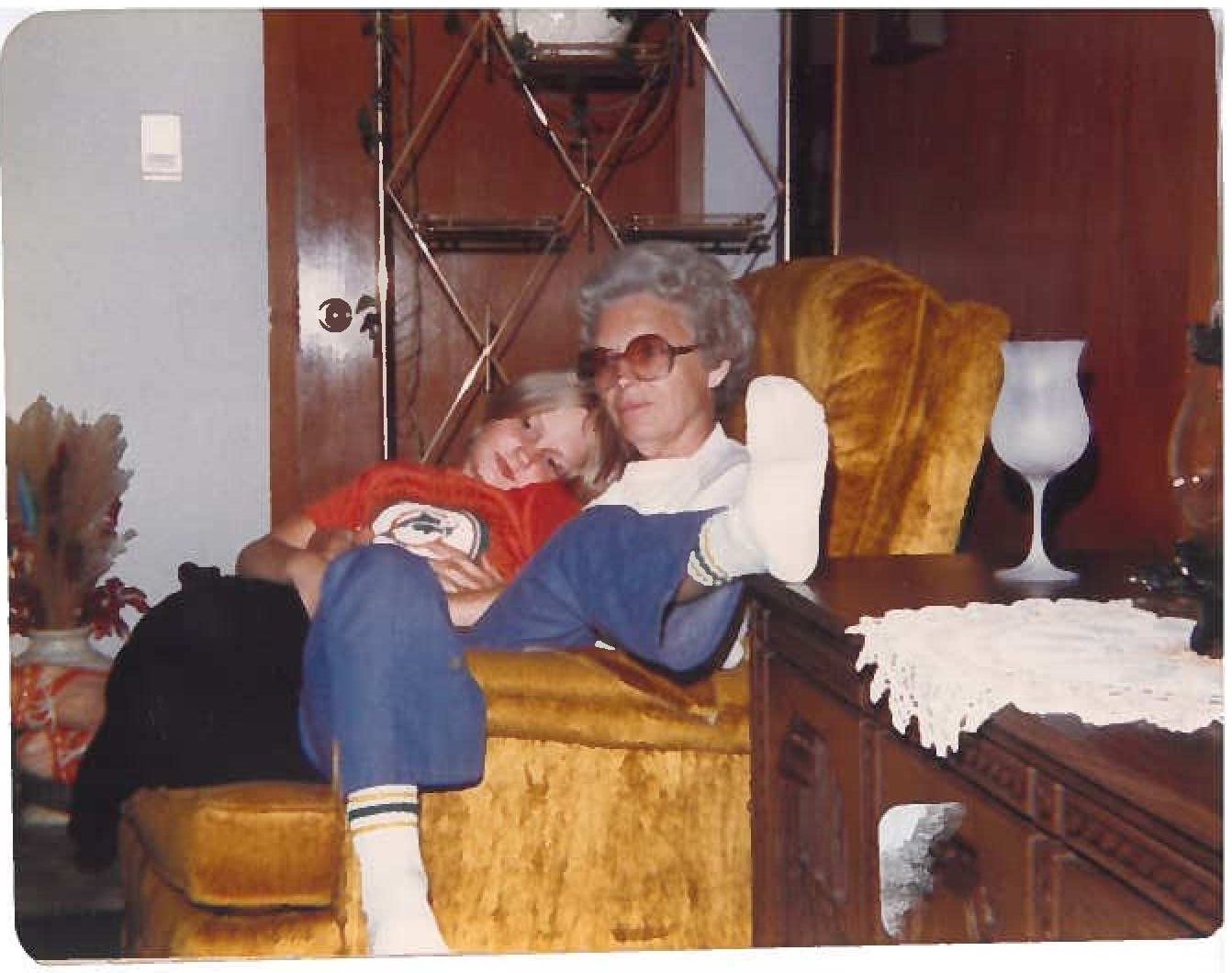
Courtesy Photo: My Grandma was my first coach
As an adult, the overwhelm, depression, anxiety, and sense of hopelessness culminated in a weekend-long in-patient stay at a hospital. They diagnosed me with borderline personality disorder. It took years for medical providers to understand the symptoms that led to the BPD diagnosis were misinterpreted signs of autism. I’m not alone. According to the National Institute of Health, nearly 80% of women who have autism are not diagnosed until after the age of 18.
The dichotomy faced by people considered “high functioning” is that with enormous effort you can sometimes pass for “normal,” yet you’re never accepted for who you are and masking creates mental health challenges. The perception is you don’t need support since you are verbal and intelligent. However, the “high functioning” label doesn’t mean “does not need support.”
My life took a fortunate turn after completing graduate school. I saw an ad for a job at a community college as an autism advocate. I debated whether or not to disclose my autism when applying for the job. I decided if my autism diagnosis made them not want to hire me, it wasn’t the job for me. I didn’t hear anything about the job for months, so I took a different job with a nonprofit. Right out of grad school, I was hurting financially. After one month, my new employer told me I wasn’t outgoing enough. The executive director said, “No amount of hard work or intelligence can overcome this.” I saw the writing on the wall and packed up my things. Shortly after I got a call offering me the autism advocate job.
The new role was a dream job. My supervisor, Amanda Thompson, got it. She was well-informed about autism and best practices. I got to work with college students who were on the spectrum. I loved meeting and getting to know the students, supporting them as they navigated college, and organizing social events for them. I looked forward to going to work. Amanda recognized that when I know the reason “why” we do the thing, I will do the thing more readily. Too often when a person with autism asks “why,” it’s seen as insubordination—a challenge. Knowing the “why” helps us move forward.
In many ways, Amanda was a supportive mentor and communicated confidence in me. Her “let’s figure this out” approach motivated me to push through challenges. She prioritized self-care because she understood that our needs had to be met so we could best support students. The college provided me with professional development opportunities by sending me to AHEAD (Association on Higher Education and Disability) and CAN (College Autism Network) conferences. This also played to my strength of learning. I felt genuinely understood and appreciated. My confidence. Because I wanted to do my job better, I took the initiative to complete Intensive Autism Coaching training through the Association for Autism and Neurodiversity in Boston.
After over three years at the community college, I gained more valuable experience with the University of Idaho’s Raven Scholars Program for students with autism. In June of 2025, I realized a dream by moving to the Land of Enchantment.
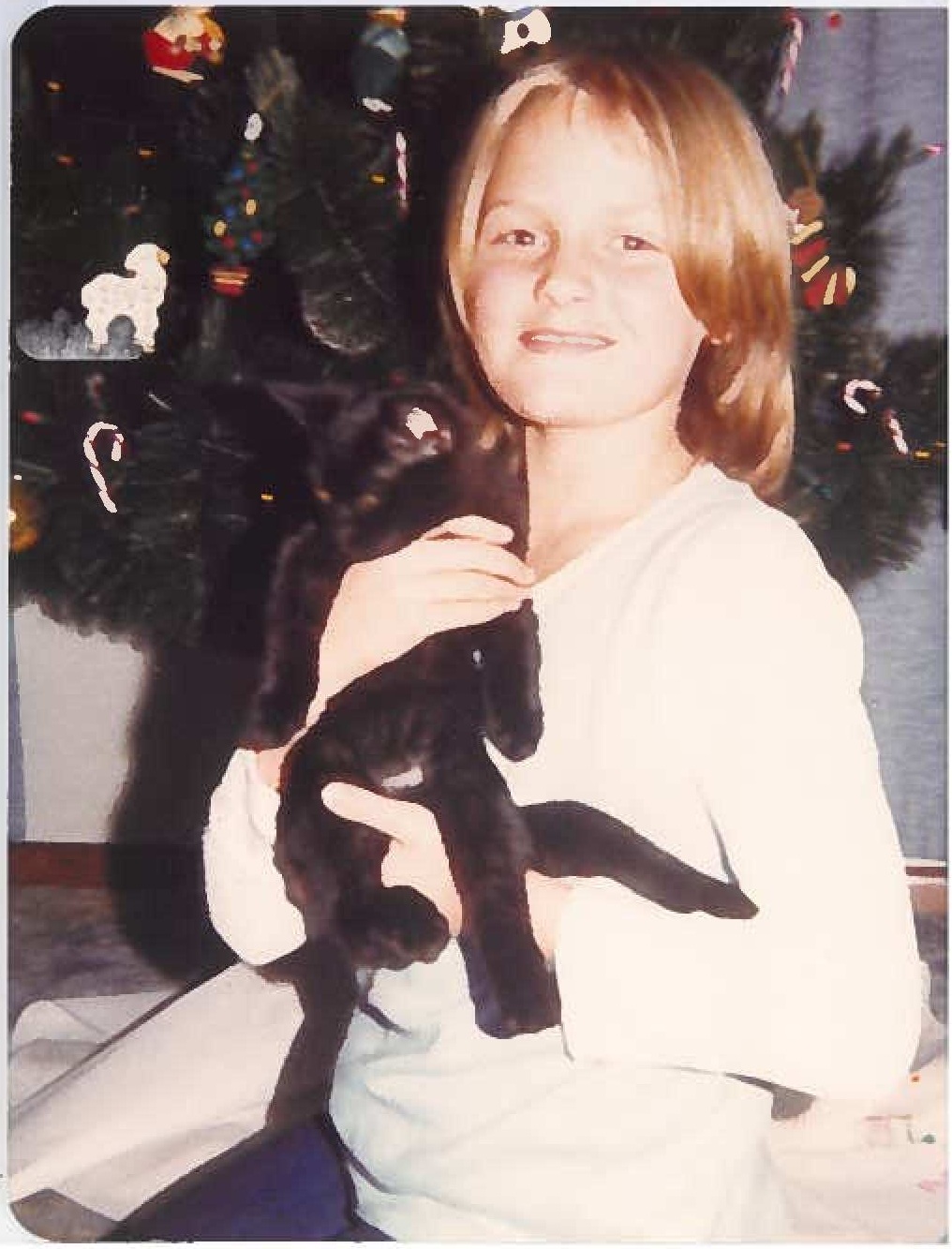
Courtesy Photo: Pets can be extremely important for autistic people who struggle with social interactions.
Unfortunately, the struggle for autistic adults to find effective support services exists in New Mexico, too. Many counselors and therapists do not have adequate training in working with autistic adults. There is evidence that traditional CBT (cognitive behavior therapy) is ineffective and even harmful for many autistic individuals. Almost all services for children utilize ABA (applied behavior analysis). A 2018 study found that autistic individuals who were exposed to ABA were 86% more likely to meet post-traumatic stress disorder criteria than those not exposed. Autism coaches are stepping up with an empowering strategy to help fill the void.
Navigating college, employment, and relationships is challenging. For autistic folks it can be overwhelming. Autism coaches are an option that can be utilized virtually or in-person. Coaching is a partnership. With coaching, the autistic individual is in the driver’s seat. Coaches use their deep understanding of autism to help individuals identify their strengths and work toward goals of their choosing such as employment, building social support networks, or attending college. A non-judgmental coach will guide, mentor, and ask thought provoking questions. Step by step, progress is made and celebrated.
Coaches may also work with parents to help them learn how to interact with their teen or adult child in a manner that is empowering, supportive, and encouraging. We also work with employers who want to learn how to create a truly inclusive environment that reflects respect for neurodiversity.
It took years to accumulate the experience and knowledge to live a meaningful, fulfilling, self-determined life. Now I’m leveraging the skills and lessons learned on this journey by providing autism coaching for adults and teens in New Mexico.
AJ Richard is a new resident of New Mexico. She works as an autism/neurodiversity coach and is training to be a cat trainer. Visit phoenixinsighttothrive.com for more information. You can also find Coach AJ on Facebook, Twitter, Blue Sky, and Instagram.