

Courtesy photo of the New Mexico Aging and Long-Term Services Department.
Learn how to spot changes, start thoughtful conversations and find resources that help loved ones maintain their independence and quality of life.
By Dr. Joey Long
The holidays are a time when we reconnect with loved ones. But when the visits are few and far between, the holidays can also be a time when changes in an aging parent, grandparent, or other loved one become more noticeable.
Maybe a parent who once hosted the entire family with ease now struggles to get around the kitchen. Maybe a grandparent seems more forgetful than usual or appears unsteady when walking. Maybe the house is less tidy, unopened mail is piling up, or a loved one seems unusually withdrawn.
These changes can bring up difficult questions: Is this a normal part of aging? Is something else going on? And how can you offer help without your loved one feeling as though they are losing their independence?
The first step is to pay attention, ask questions, and remember that you don’t have to figure everything out on your own.
Notice What’s Changed
Everyone ages differently. Rather than focusing on age alone, look for changes in your loved one’s usual routines, abilities, mood or behavior.
Memory and thinking: Repeatedly asking the same questions, missing familiar appointments, struggling with a well-known recipe, or becoming confused in familiar places may signal a need for further evaluation. Forgetting a name or occasionally misplacing keys happens at any age. More concerning are persistent changes that interfere with everyday life. Memory problems can have many causes, including medication side effects, sleep difficulties, and other health conditions. They do not automatically mean someone has dementia, but a health care professional can help identify possible causes.
Mobility and physical health: Pay attention if a loved one has trouble getting out of a chair, climbing stairs, carrying groceries, or walking safely. Frequent falls, unexplained bruises, increasing fatigue, or difficulty getting to the bathroom may indicate that everyday activities have become more challenging.
Daily routines and self-care: A refrigerator with little food or spoiled groceries, unpaid bills, missed medications, or neglected household tasks can be clues that someone needs additional support. These changes may be related to physical limitations, memory concerns, financial difficulties, grief, or other circumstances.
Mood and social connection: A person who once enjoyed family gatherings may become withdrawn, anxious, or unusually irritable. They might stop seeing friends, participating in community activities or enjoying favorite hobbies. Loneliness, depression, hearing loss, and other health changes can affect both well-being and daily life.

Courtesy photo of the New Mexico Aging and Long-Term Services Department.
Start With a Conversation
When something seems wrong, it is natural to want to fix it. But telling a loved one they can no longer manage on their own may leave them feeling embarrassed, defensive, or afraid of losing control over their life.
Instead, choose a quiet moment to check in privately rather than raising concerns in front of the entire family. Describe what you have noticed without making assumptions. For example, you might say, “I noticed the stairs seemed harder for you this time. Have you been getting around okay lately?”
Listen to what they have to say. Your loved one may recognize a challenge but feel unsure about what to do. They may have found ways to adapt that others haven’t noticed. They may also worry about costs, privacy, asking for help, or becoming a burden to others.
Ask what kind of help, if any, would be welcome. A handrail, help with grocery shopping, or a ride to appointments could make a huge difference. The goal is not to take over, but to understand what support would help them maintain their independence, dignity, and quality of life.
Know When to Seek Help
If you notice ongoing changes in memory, mood, mobility, or the ability to manage everyday tasks, encourage your loved one to speak with a health care professional. Offer to help schedule an appointment or accompany them if they would like.
Some situations may require more immediate attention. Sudden confusion, new difficulty speaking, facial drooping, or sudden weakness can signal a medical emergency. Call 911 rather than waiting for a routine appointment.
Families should also take concerns about abuse, neglect, or financial exploitation seriously. exploitation. In New Mexico, you can contact Adult Protective Services at 866-654-3219 to report suspected abuse, neglect, or exploitation of a vulnerable adult.
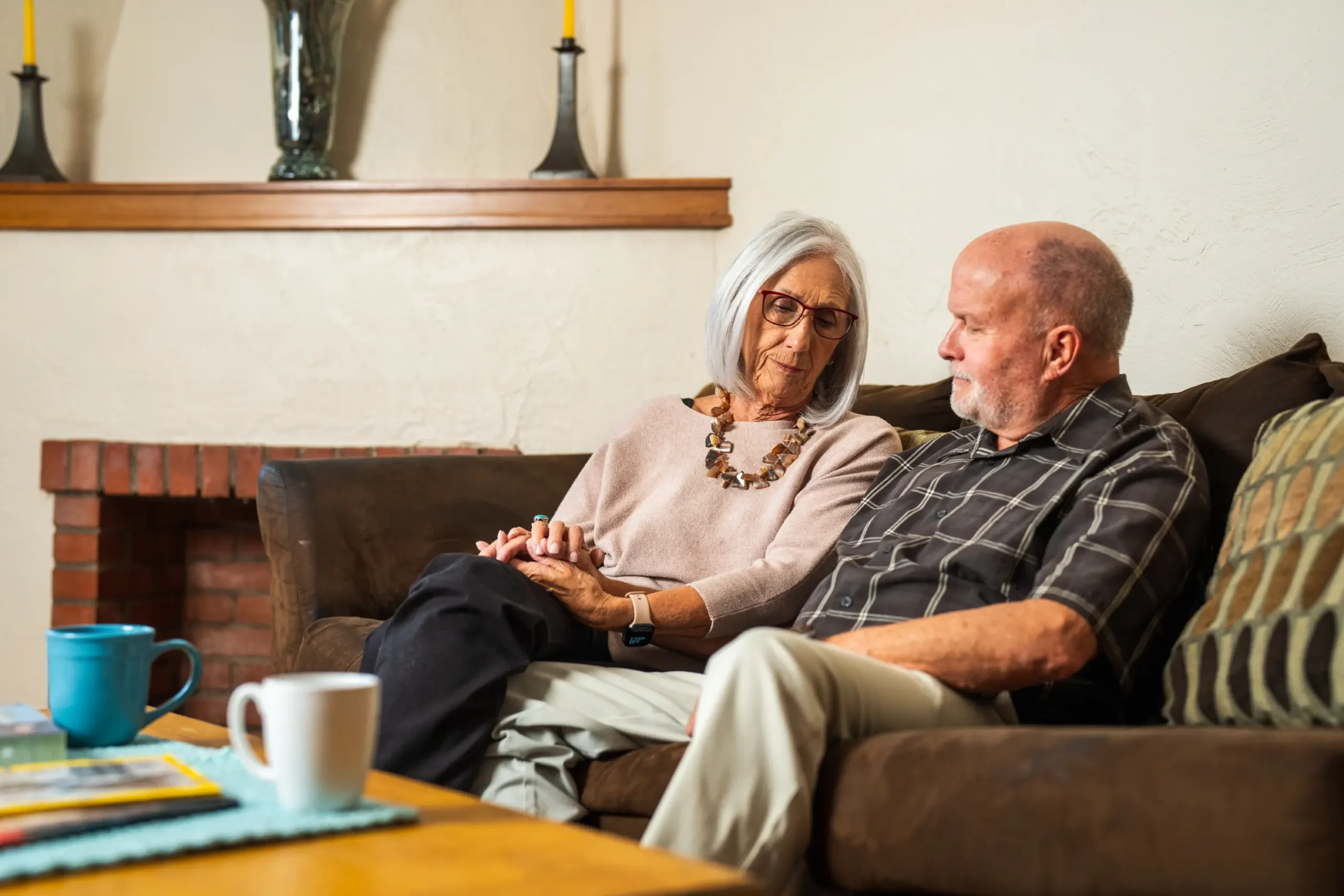
Courtesy photo of the New Mexico Aging and Long-Term Services Department.
Find Support Close to Home
You don’t need to know what kind of help a loved one needs before reaching out for guidance. The New Mexico Aging and Long-Term Services Department’s Aging and Disability Resource Center is a good place to start. Call 800-432-2080 to speak with someone who can help identify resources based on the needs and circumstances. They may be able to connect you to transportation services, home-delivered meals, homemaker services, respite care, caregiver support, home modifications, health coverage, and long-term care options.
Local senior centers and community organizations are another good resource. Depending on the community, they may offer meals, activities, wellness programs, and opportunities to connect with others.
If a loved one lives in a nursing home or assisted facility and has concerns about their care or their rights, the New Mexico Long-Term Care Ombudsman Program provides information and advocacy at 866-451-2901.
Family caregivers need support, too. Helping a loved one may mean coordinating appointments, providing transportation, managing household tasks while balancing work and other responsibilities. Sharing tasks with relatives, exploring respite care, and connecting with caregiver resources can help make the work more manageable.

Courtesy photo of the New Mexico Aging and Long-Term Services Department.
Keep the Conversation Going
A holiday visit only offers a snapshot of someone’s life. If you have concerns, check in again after the gathering. With your loved one’s permission, you might also talk with relatives, friends or neighbors who see them more regularly.
Try to think of support as an ongoing conversation, not a single decision about whether someone can live independently. Needs can change over time, and the right support can change with them. A little help with transportation or household tasks today may be enough to help someone remain comfortable and independent in their home.
The most important thing is to approach your loved one with patience and respect. Notice changes without jumping to conclusions. Listen without judgement. Offer to help without taking away your loved one’s voice.
If you’re concerned about someone you love, start with a simple conversation. Let them share how they’re doing, listen to what matters most to them, and ask what kind of support might make everyday life a little easier. Sometimes knowing someone is there to listen is the first step toward getting the help they need.
Dr. Joey Long is the public information officer for the New Mexico Aging and Long-Term Services Department.