
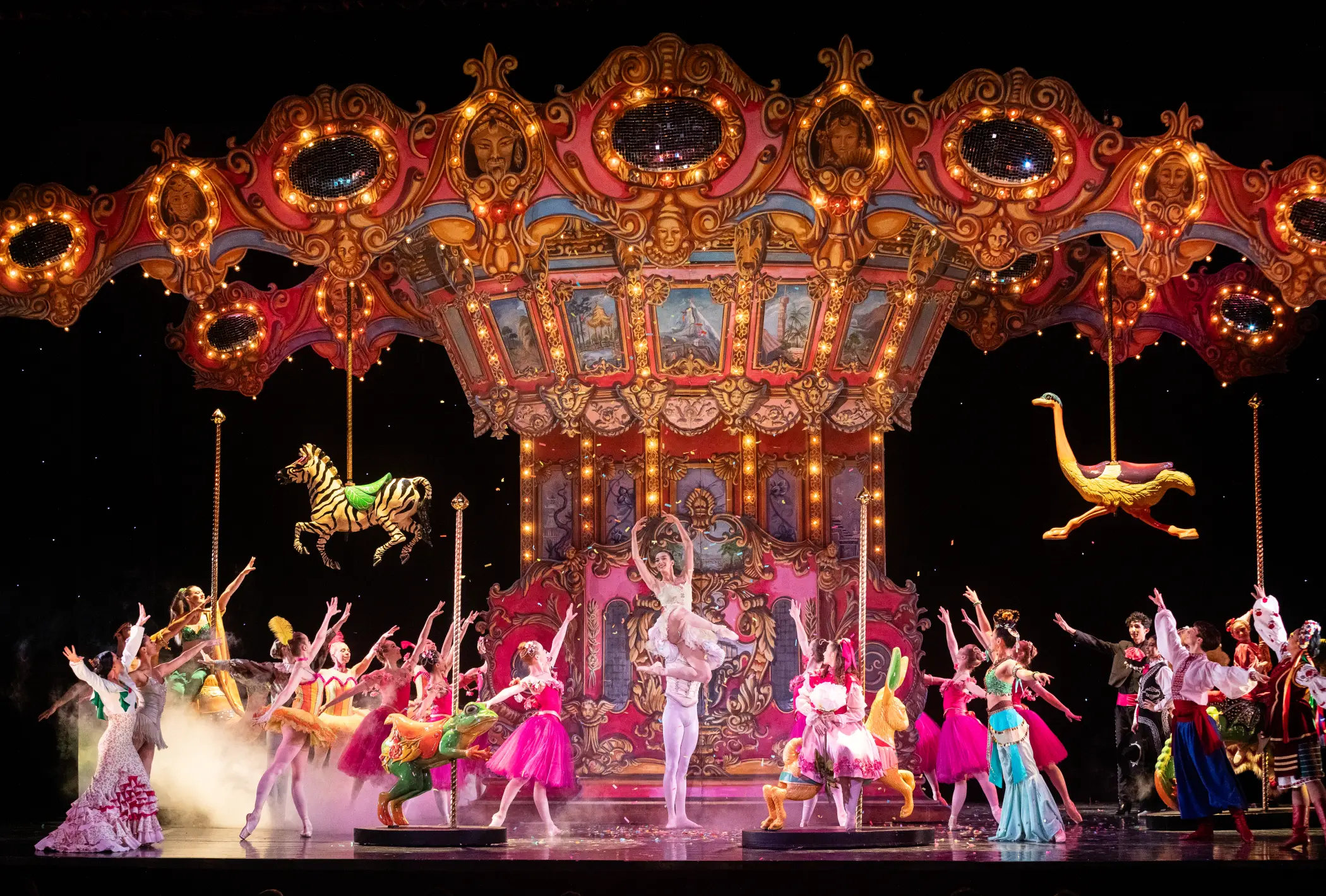
Courtesy photo of Aspen Santa Fe Ballet.
For generations of dancers, a beloved holiday production is about much more than what happens on stage.
Written by Tumbleweeds Staff
Every December, families settle into theater seats waiting for a familiar kind of magic. The orchestra begins. The lights come up. Clara’s extraordinary journey unfolds. There are snowflakes, mice, soldiers, sweets, and, of course, the Sugar Plum Fairy.
For many families, seeing The Nutcracker is as much a part of the holiday season as decorating a tree, baking cookies, or gathering around the dinner table. But backstage, another tradition is unfolding. Young dancers hurry through hallways in costumes that may feel impossibly important. They watch professional dancers warm up. They stand beside teenagers and adults who have performed the production many times before. They learn where to wait, when to enter, and how to contain their excitement before stepping onto the stage.
And, perhaps without realizing it, they begin looking toward the dancers ahead of them and imagining who they might someday become. That relationship between generations of dancers is part of what makes Aspen Santa Fe Ballet’s annual production of The Nutcracker so special.
Aspen Santa Fe Ballet’s The Nutcracker is a professional production, bringing accomplished dancers together with students from its educational programs. The presence of young performers is part of the production’s tradition and an extraordinary learning experience for those students, though what audiences see onstage is a fully realized professional ballet production.
For the youngest performers, participating means stepping into a much larger world than the classroom. They experience the lights, costumes, rehearsals and responsibilities of the theater while sharing space with dancers who have spent years—sometimes decades—developing their craft.
For older and professional dancers, it can mean something different: realizing that they have become the performers the younger children are now watching.
Learning ballet requires repetition. A dancer may practice the same movement hundreds of times, gradually learning that something appearing effortless onstage is usually the result of tremendous effort behind the scenes. There are corrections to accept. Steps to repeat. Rehearsals when things do not go perfectly. Learn to listen, arrive prepared, work as part of an ensemble, and keep going when something is difficult.

Courtesy photo from Liz Devanney
Those lessons do not necessarily end when a dancer leaves the studio. Not every child who studies ballet will become a professional dancer. Most will eventually follow entirely different paths. They may become teachers, doctors, artists, attorneys, business owners, parents and community leaders, but they may carry much of what they learned in the studio with them. The discipline to practice something until it improves. The confidence to express themselves. The resilience to accept a correction and keep working. The ability to collaborate, connect with others and contribute to something larger than themselves.
Dance also gives young people something increasingly rare: the opportunity to be fully present in their bodies, creating and communicating alongside other people rather than through a screen. “We teach so much more than steps,” says Jean-Philippe Malaty, executive director of Aspen Santa Fe Ballet. “We give young people a chance to be creative, to push themselves, and to express themselves in a different way. At a time when kids spend so much time in front of screens, there is something incredibly valuable about learning to express themselves physically, connecting with one another in the studio, working toward a common goal, and being in quest of beauty. Hopefully, those are skills and experiences that will remain with them for life.”
Those lessons become especially visible during The Nutcracker, when dancers of different ages and experience levels come together around a shared production.
For a young dancer, the first Nutcracker can feel enormous. The theater is bigger than the studio. Costumes replace practice clothes. There are lights, sets, and professional performers. Suddenly, all those classroom instructions about where to stand, how to listen, and how to move together have a very real purpose.
Then another year arrives. And another. A dancer who once watched older performers in awe eventually becomes one of the dancers a younger child is watching.
Liz Devanney understands that feeling from both sides. She has performed in Aspen Santa Fe Ballet’s Santa Fe production of The Nutcracker for the past four years and returns this season as the Snow Queen. Her own memories of being a young dancer help shape the way she now sees the children around her backstage.
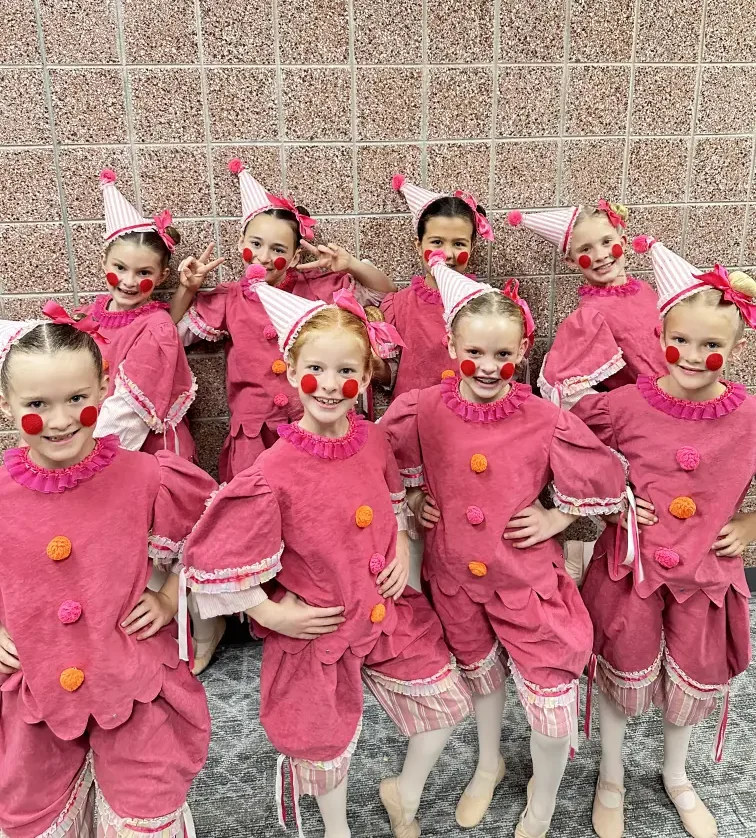
Courtesy photo of Aspen Santa Fe Ballet.
“I feel so much gratitude because I remember being that age and being completely in awe of the older dancers—watching how they tied their shoes, how they did their makeup, all of those little things,” Devanney says. “The professional dancers gave me so much inspiration when I was young. Now, having that relationship with the younger dancers is amazing. They want to be close to you, to talk to you and be your friend. Knowing how much those older dancers meant to me, I hope I can give some of that same inspiration to them.”
For the youngest dancers, those seemingly small backstage moments can leave a lasting impression. They see what years of training can look like. But perhaps more importantly, they see someone they can imagine becoming. And for Devanney, the experience has come full circle: the young dancer who once watched older professionals so closely is now in a position to offer that same sense of inspiration to another generation.
For a young dancer, that proximity can make the world of ballet suddenly seem both magical and attainable. The ballerina onstage is no longer simply a distant figure underneath a spotlight. She is someone standing beside you backstage. And for the older dancer, there is another realization: Parents sitting in the audience see the finished production.
Children backstage see something different. They see dancers stretching at the barre. They see costumes being adjusted and last-minute preparations taking place. They watch how an experienced dancer ties her shoes or applies her stage makeup. They see older performers helping younger ones. They see professionals preparing to do something extraordinary—and then returning backstage as real people who laugh, encourage one another and prepare to do it all again.
someone may now be watching you the same way you once watched the dancers who came before. That is how traditions survive. Not simply because audiences return year after year, but because one generation helps inspire the next.
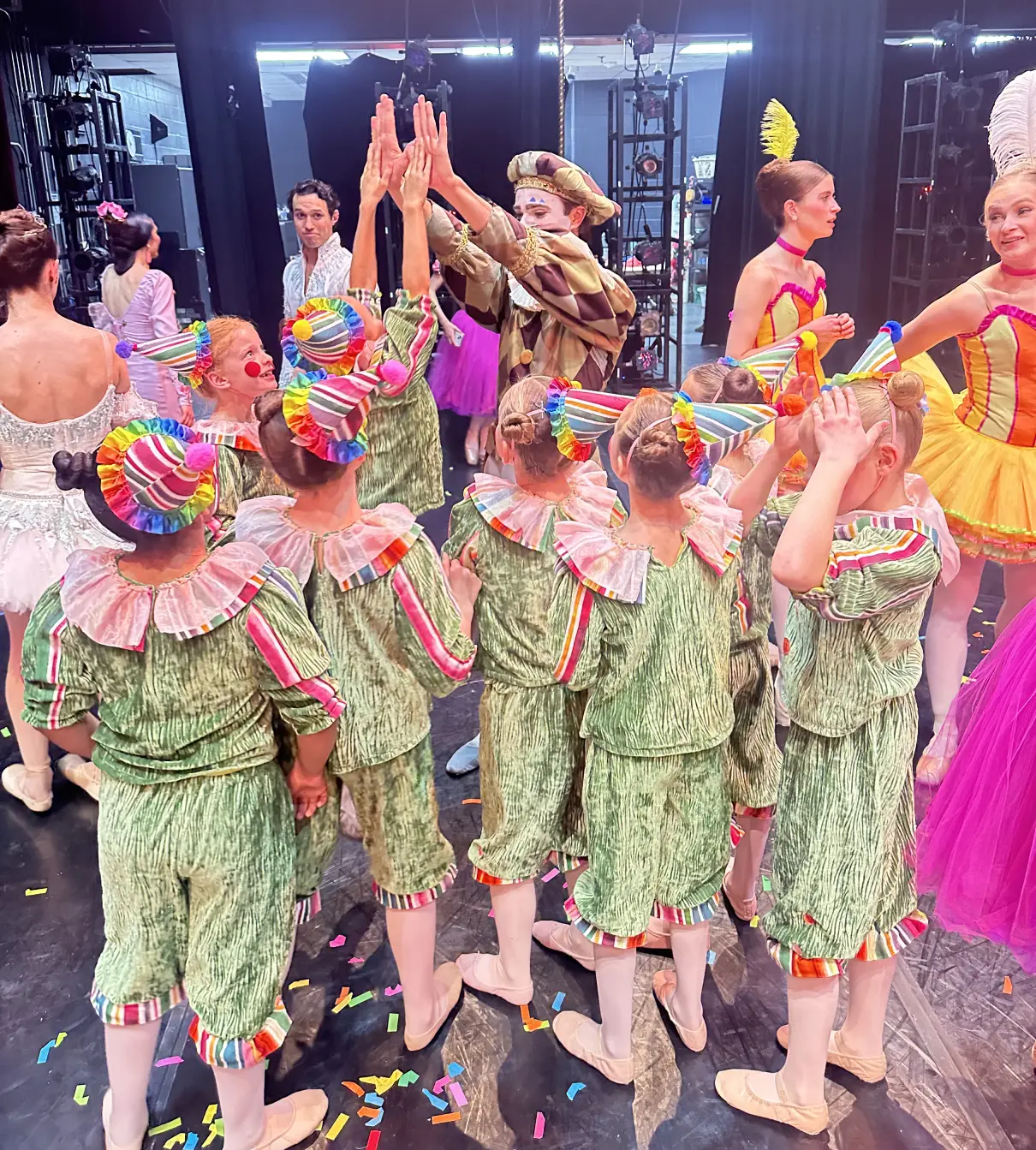
Courtesy photo of Aspen Santa Fe Ballet.
The Nutcracker has endured as a holiday tradition because families know the story and recognize the music. Children who once attended with their parents eventually bring children of their own. But inside the world of dance, tradition has another meaning. Each year brings a slightly different cast. A child performs for the first time. Another dancer receives a role she has worked toward for years. An older student prepares to leave for college. A professional performer returns to a familiar role. Younger dancers move forward. The production remains familiar while the people inside it continue to grow.
For students invited to participate alongside professional dancers in Aspen Santa Fe Ballet’s production, The Nutcracker offers a rare opportunity to experience the standards, preparation and collaboration of a professional ballet production. The audience gets the magic. The dancers get something more difficult to see. They get the rehearsals, the butterflies, the friendships, the responsibility, the corrections, the creativity and the experience of working together toward something beautiful. And long after the costumes have been packed away, those experiences may continue shaping them.
Some may become professional dancers. Most will not. But years later, wherever life has taken them, they may still remember what they learned while standing at the barre, waiting in the wings and watching the dancers ahead of them. And somewhere backstage this December, another little dancer will be watching them.

Courtesy photo of Aspen Santa Fe Ballet.
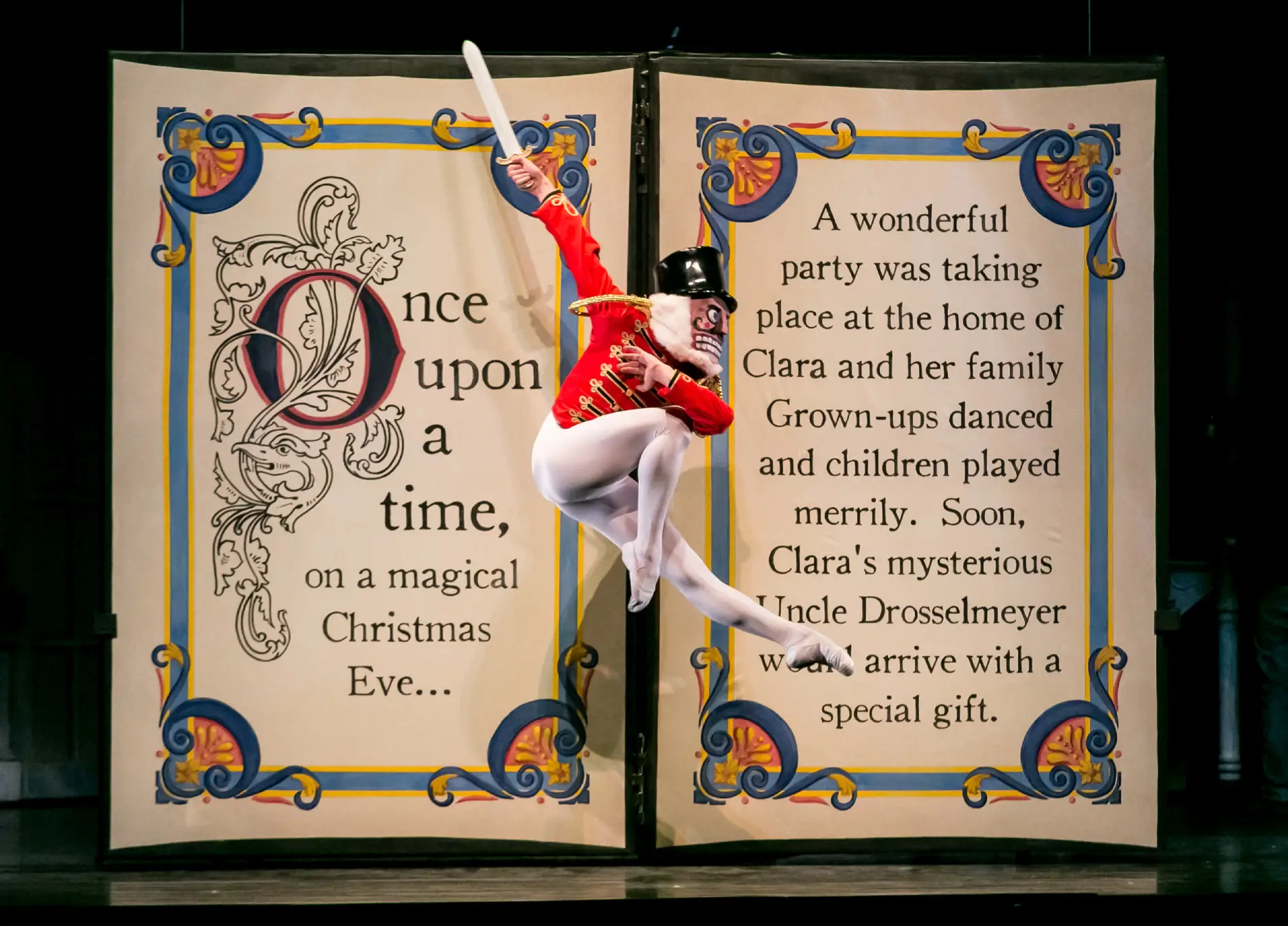
Courtesy photo of Aspen Santa Fe Ballet.

Courtesy photo of Aspen Santa Fe Ballet.