

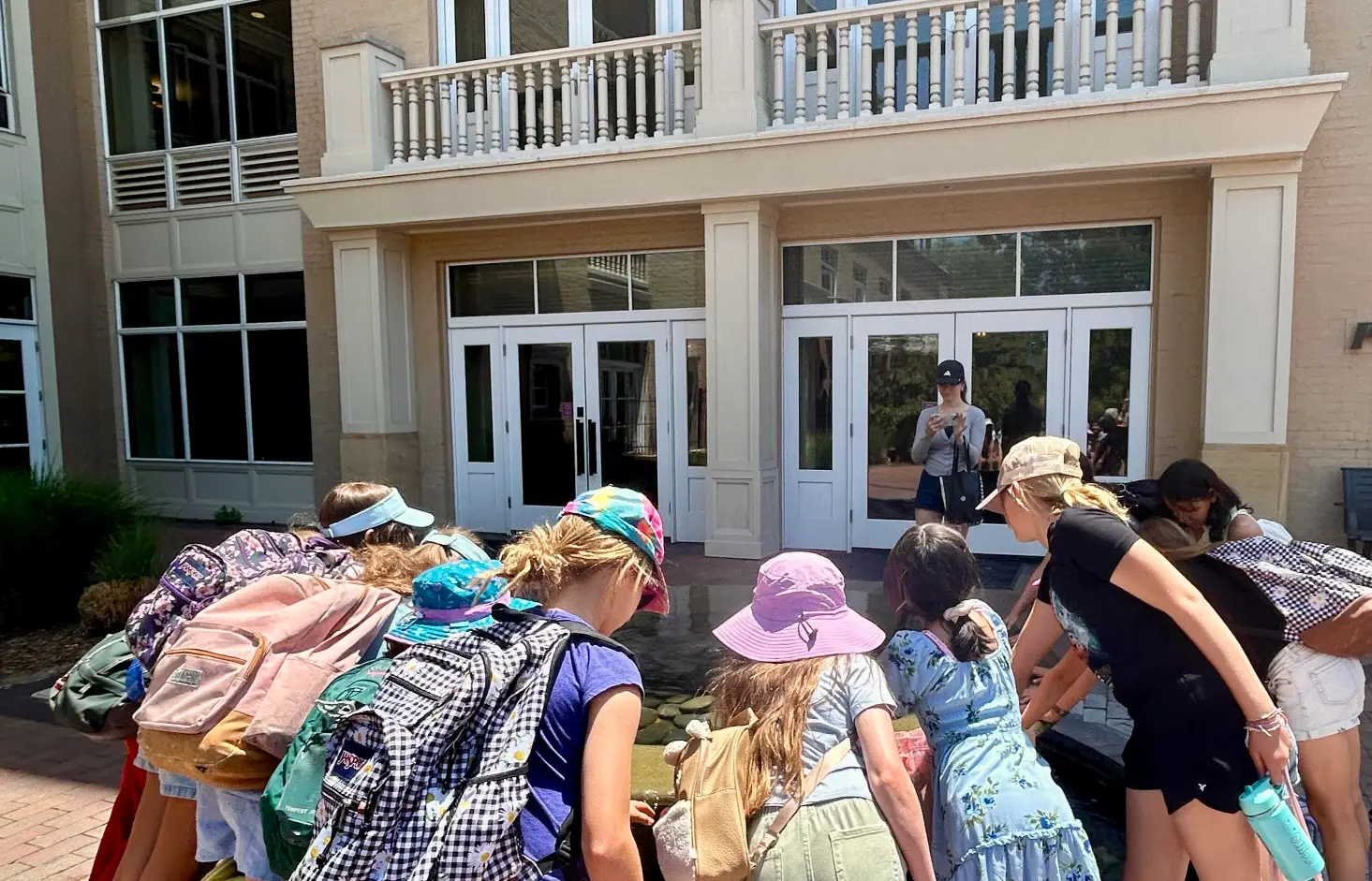
Courtesy Photo: Field trip adventures allow campers to appreciate parts of their own city and wilderness areas.
Learning through sunny-season programs
By Darya Glass
It started as a need for summer childcare in a household of two working parents, a scramble for programs my daughter would enjoy (important), and ones that we could afford (even more important).
School had been a grind that year. As educators and parents, we spend much of the academic year focused on achievement and academic growth, maximizing what can be taught and learned in the limited time we have. To this end, students spend enormous amounts of energy each year meeting benchmarks and expectations, and by May, we all feel burnt out and ready for something different. Having grown up attending summer camps of all kinds, I knew that camps offer the chance for children to experience freedom, creativity, and friendship, but also the opportunity to rediscover learning as something joyful. It creates space for children to become curious again.
And, it creates a space for teachers (me) to get re-inspired by teaching things I love doing in the sun, without time contrasts or content standards.
As my daughter began to explore different camps that summer, I was reminded of how immersive and powerful camp can be. A day at camp can feel like squeezing a week of adventure into a jar; like time is somehow compressed. I was also reminded of how much learning can take place when a group of kids become fully absorbed in an activity—not because they are trying to earn a grade or impress someone, but because they are genuinely engaged. Those moments matter because they reconnect children with intrinsic motivation. They remind children that their ideas, perspectives, and creativity have value independent of external validation.
At camp, this kind of learning may happen during an art project, while experimenting with new creative skills, or while navigating a group challenge together. It may happen on a hiking trail, beside a lake, during a spontaneous conversation at lunch, or while figuring out how to solve a problem as a team.
Creativity flourishes in this kind of environment as well. In daily life, children are often overscheduled and overstimulated. Camp introduces a different daily rhythm—one that allows for imagination, experimentation, and presence.
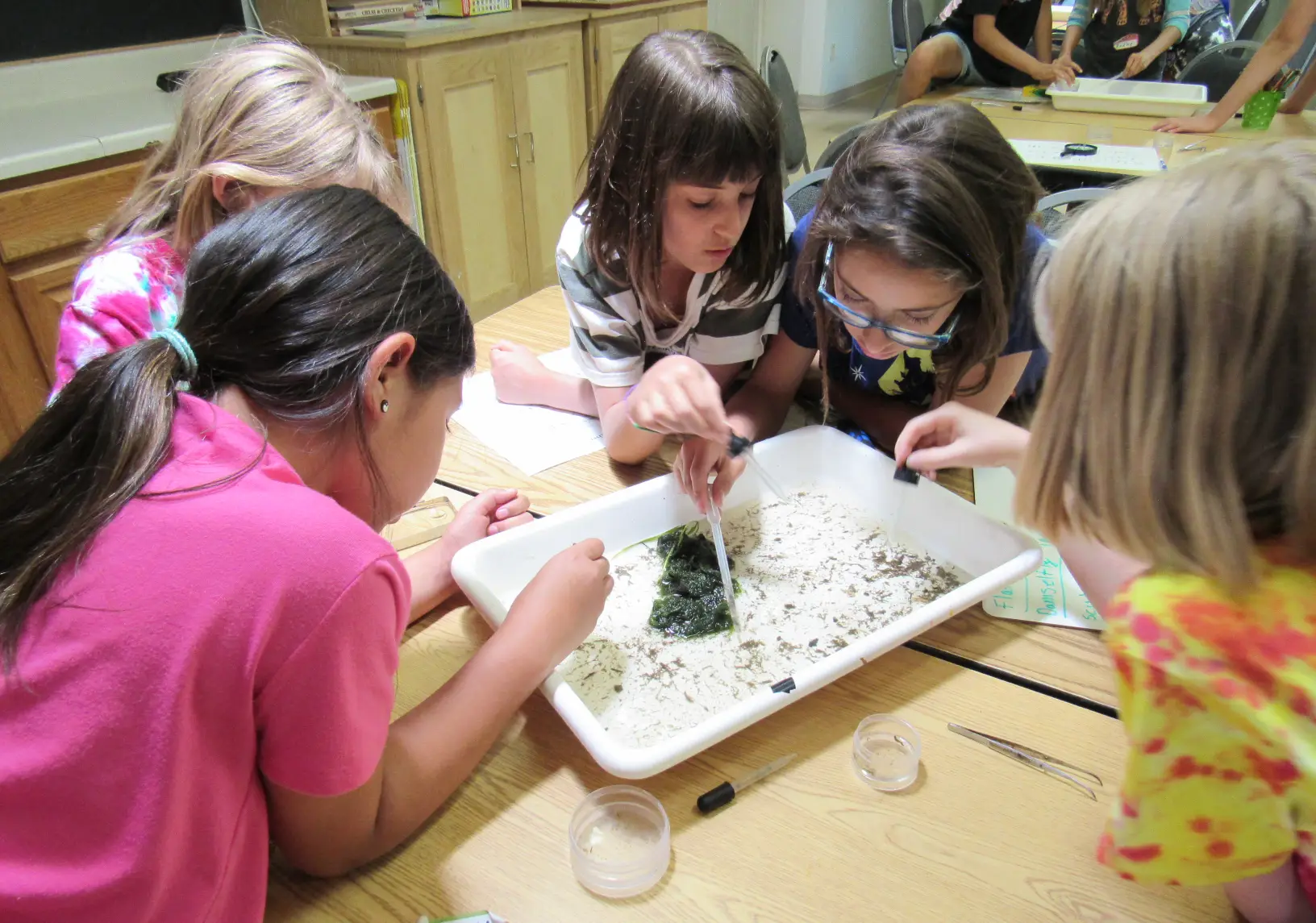
Courtesy Photo: Campers use pipettes to pick up and study macroinvertebrates from Santa Fe River water.
Sometimes creativity emerges through traditional activities like music, theater, visual arts, or storytelling. Other times it appears in less obvious ways: inventing games with friends, solving challenges collaboratively, or simply learning how to entertain oneself without constant digital input or adult interference.
Nature also plays a powerful role in the summer camp experience. There is something profoundly settling about climbing rocks, walking trails, sitting beneath trees, or simply being away from screens long enough to notice the world again. Children often become more present outdoors: More imaginative, more connected to themselves and to one another. Being outside, exploring new places, and experiencing the world physically, rather than digitally, is a kind of grounding that many children deeply need. Even a simple change of environment can shift a child’s nervous system, their world view.
And then there are the friendships. Ask me about my memories of summer camp, and I won’t begin by describing the schedule. I’ll talk about the people I met, our silly conversations, the adventures we shared, the connection I felt to my counselors, and most powerful of all, my feeling of belonging.
Camp friendships often develop differently from friendships formed during the school year because of that compression of time. Children spend entire days together navigating experiences, solving problems, laughing, collaborating, and creating memories. They learn communication because they are immersed in community all day long. There is less emphasis on status and more emphasis on connection. These friendships may be ephemeral, but the memories of them live on.
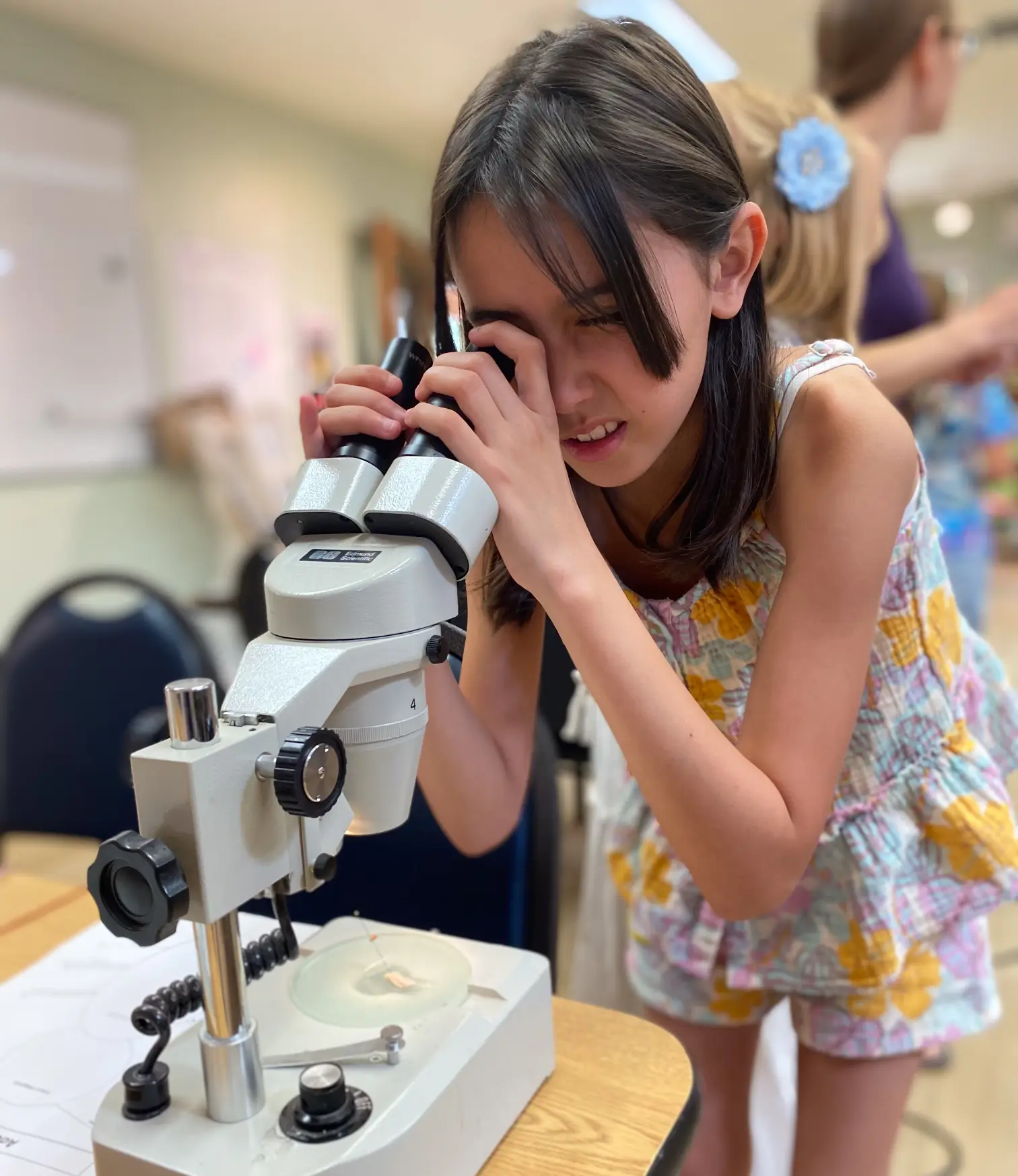
Courtesy Photo: Hands-on science at summer camp engages through open-ended exploration.
In addition to experiencing all this learning and connection myself over many summers, and watching my own daughter explore local camps, I now witness it as a Program Director at my own camp, Girls Explore! At our summer camp, we bring in experts who are delighted to share their joy in areas such as nature journaling, New Mexico history, hydrology, memoir writing, cooking, geology, gardening, and on and on! In sparkling bursts of instruction, instructors easily make lessons fun and engaging. After all, during the summer months teachers get to share what delights them; they get to focus on campers’ excitement and inspiration, not whether they are reaching mastery. During summer camp, the variety, self-expression and interesting choices each camper brings are welcome and wonderful. And when being led by inspired teachers, children develop an optimistic and expansive view of the life they want to lead. They can imagine a life with from-scratch meals and gardening and painting: a quality of life that feels so different from a school year grind.
Girls Explore! summer camp is especially rewarding for me because all our camp counselors are graduates of our school (Santa Fe Girls’ School) and I know that working at a camp provides young adults with job skills and a path for exploring their own identities and values. Witnessing these young people return to us with their wisdom and their energy is a chance for me to reflect on what I, as their teacher, offered them during their middle school years, which they now offer to the younger generation. As an added bonus, I know that the relationships the campers forge with these counselors will be some of the most significant ones they form this summer!
Choosing a summer camp can be tricky and may come with questions or concerns. Families want to know their children will be safe, included, supported, and genuinely cared for. They want to know the experience will be meaningful, not simply busy.
The best camps prioritize not only physical safety, which matters a great deal, but emotional safety too. Children thrive when they feel welcomed, respected, encouraged, and known. They flourish when adults create environments where mistakes are allowed, individuality is celebrated, and kindness is actively modeled.
When choosing a camp, parents are not simply choosing childcare, they are choosing a community. When a camp environment is aligned with the values a parent hope to cultivate—confidence, curiosity, leadership, empathy, resilience, and joy—it can truly be a summer of significance.

Courtesy Photo: Girls Explore! camp counselors are Girls’ School graduates who return to work with younger students.
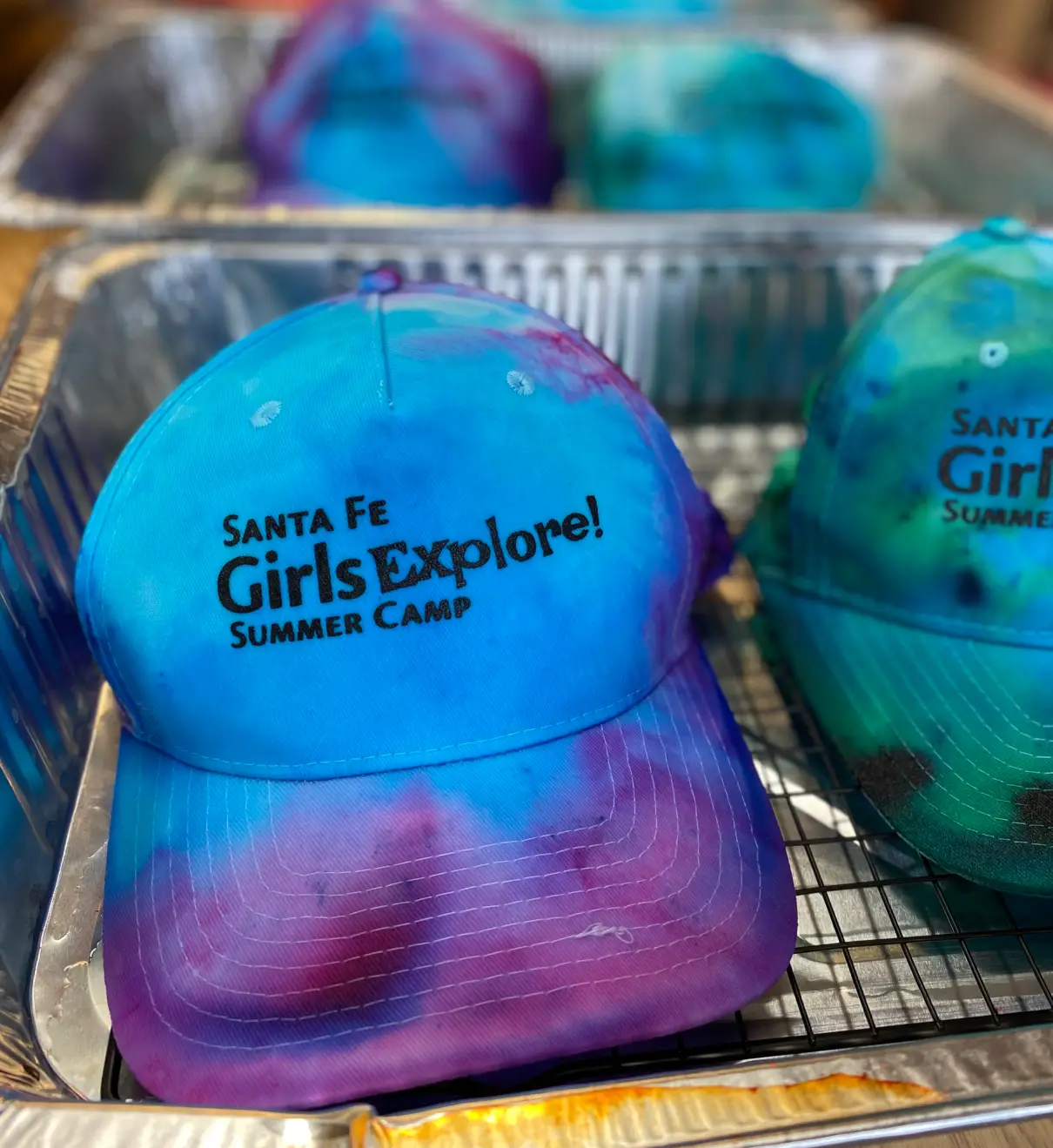
Courtesy Photo: Tie-dye is a classic summer camp art project.
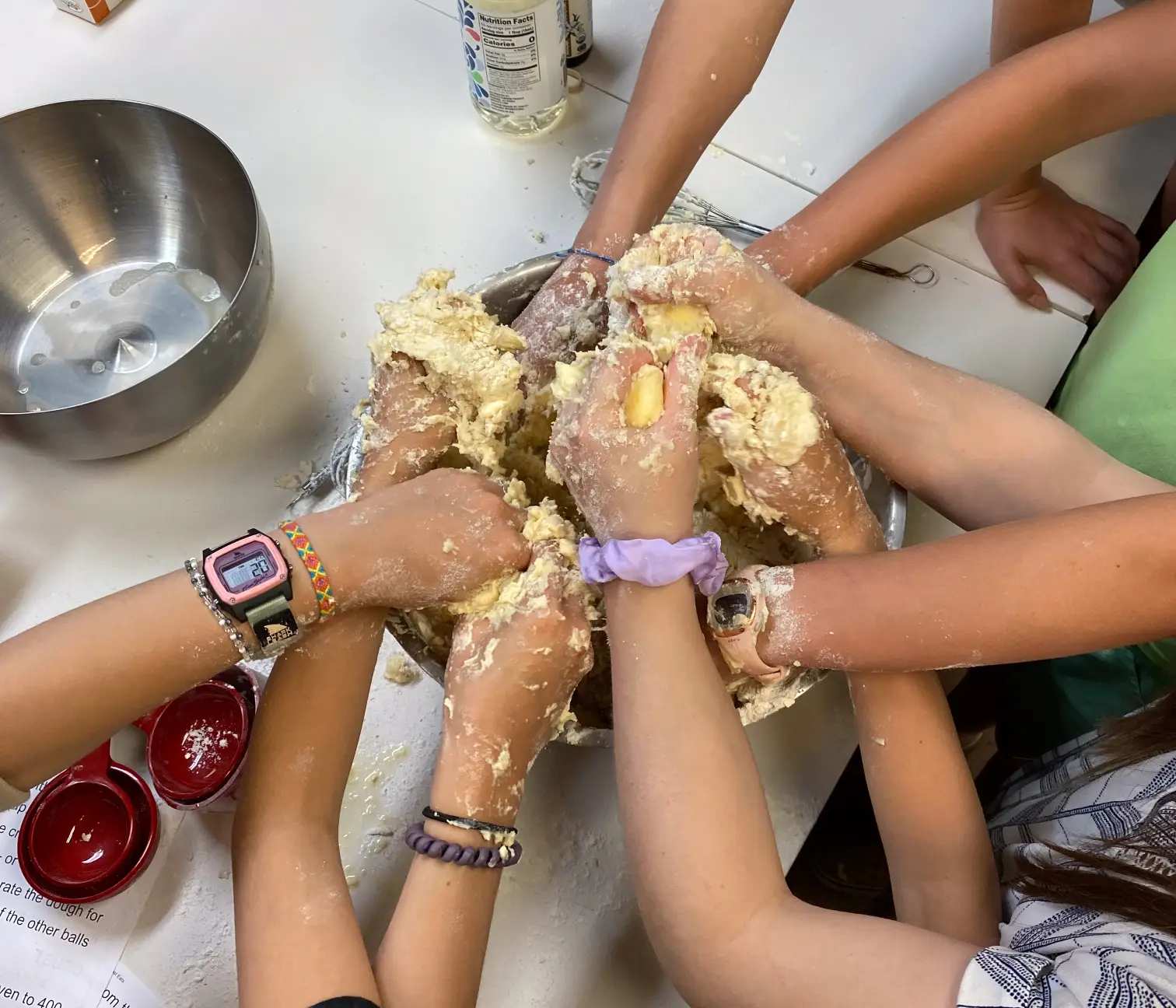
Courtesy Photo: Cooking lessons at summer camp are muti-sensory, team-building, and delicious.

Courtesy Photo: Counselor holds a hen at the farm for campers to pet.
Darya Glass is a co-director, teacher, and summer camp instructor at the Santa Fe Girls’ School and a mother of two. She grew up loving adventure- and farm-based summer camps.